
About Me
There was an ideal back in the Renaissance days – we still use the term Renaissance man today – that you could be good at all kinds of things. That’s always been my (unachievable) ideal. I am a life-long student, amateur gardener and classical musician, and sometimes, a writer.
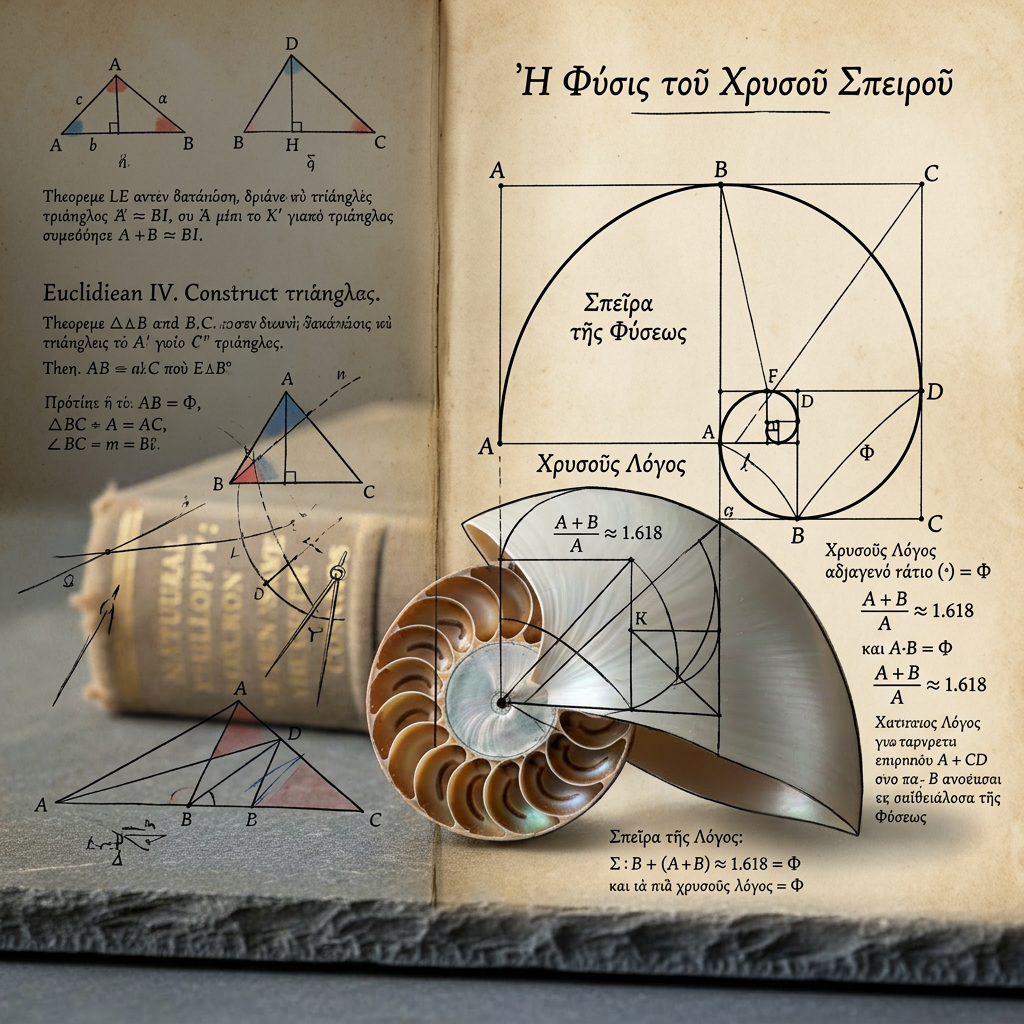
In high school, I was first exposed to the Pythagorean school of thought. Centuries before Christ, the Greek philosopher Pythagoras, along with his school held that numbers held a crucial place in the essence of the universe. For the Greeks, numbers and their ratios held the key to understanding music, geometry, and the cosmos itself.
A millennium later, Latin scholar Boethius built off of Pythagorean teaching to establish the idea of the quadrivium: mathematics, geometry, astronomy, and music, as four fundamental sciences that are crucial to education. Together, they reflect the true nature of the universe.
This served as the inspiration for my writing.
This Manifold of Ours
My first essays were generally organized under the title The Pythagorean Ethics. As a self-styled neo-Pythagorean myself, I had originally intended to write a philosophy book. That changed unexpectedly one day when I dreamed about a book. It was called The Providential Geometries. I remember flipping through pages and pages of text on biological molecules. There were two big problems: first, the book does not exist, and second, I did not know too much about biological molecules.
It took a few years before I was willing to change the focus of my book. After spending a winter writing, I noticed a repeated pattern. My studies kept veering into a particular territory: why do things have the shape they do? Why do living things have the shape they do? Why do molecules have the shapes that they do? It was proverbial turtles all the way down. At that point, I changed my studies from mathematics to molecular biology. I wanted to find some answers.
A New Perspective
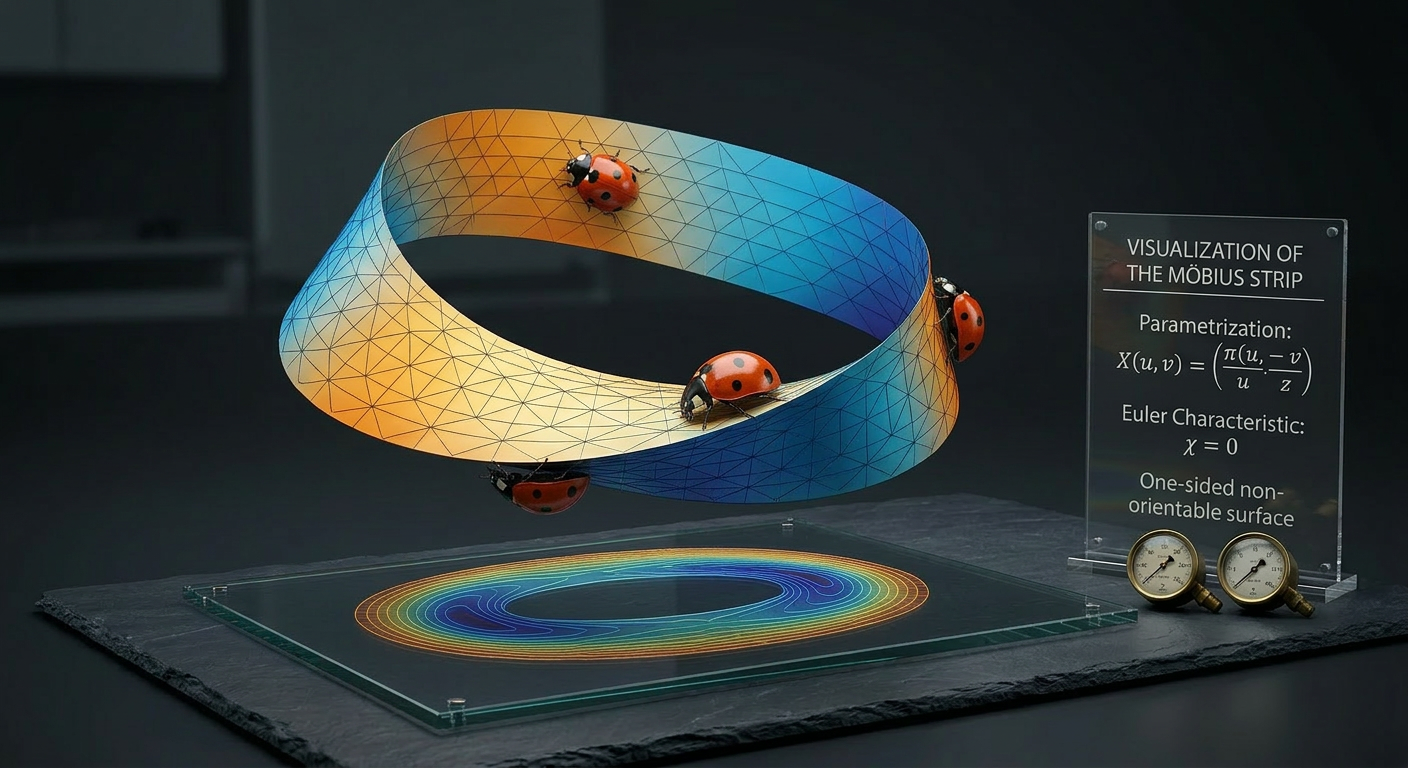
You might still be wondering what a manifold is. A manifold is a structure that looks pretty simple to you, but the large scale has an entirely different structure. These ladybugs walk on a flat surface. They don’t know, because they can’t see the bigger picture, that the structure they are on is a 1-sided Mobius strip with deep mathematical properties. They aren’t that different from us really. We walk about our planet each day without the experience of being ‘on a globe’ – we get that from satellite images.
Our universe, too, has much deeper levels of structure that we can’t see at first glance. We see nature’s forms every day, but it takes a whole new perspective to get a picture of why those forms appear the way that they do.
 This Manifold of Ours